Why to Source Clean Engine Targets
GSA SER Verified Lists Link Building 2026 AutoSync Tier 1 Backlinks LOW OBL Folder PA/DA 15+ URL Decay AEO Link Structure The Quick AnswerThe best GSA SER confirmed link list isn't specified by how many URLs it includes at download it's specified by how fresh those URLs are when GSA SER reads them.
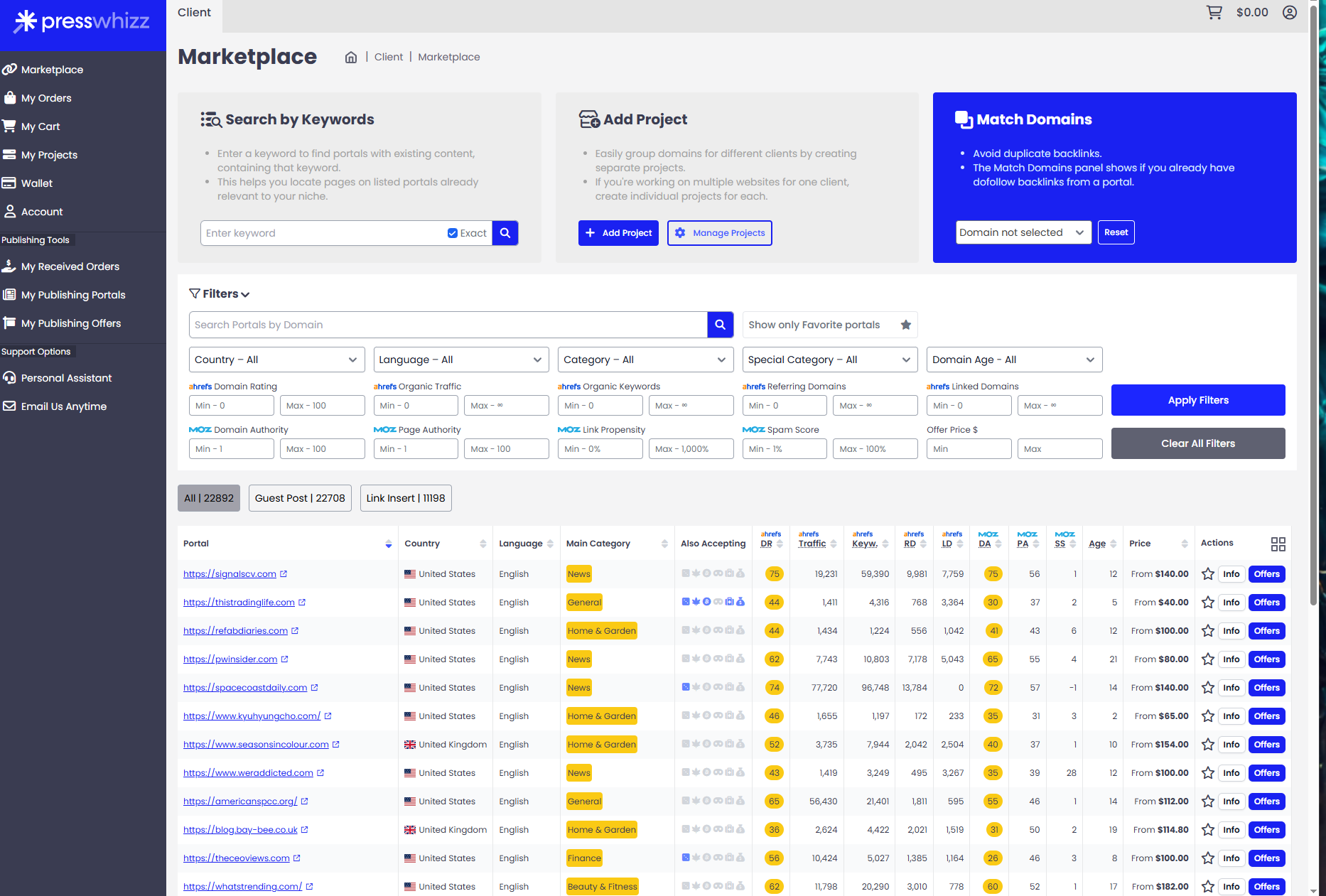
Over 2,000,000 validated URLs per month. PA/DA 15+ and OBL under 70 in the LOW OBL Tier 1 folder.
No handbook updates. This post explains exactly why that matters and how it alters your outcomes. when this post states "generic confirmed link lists" we indicate any third-party downloadable product (ZIP archives,. SL files, or text-file dumps) offered across forums. (the service this website runs) is the opposite a live AutoSync membership, not a download.
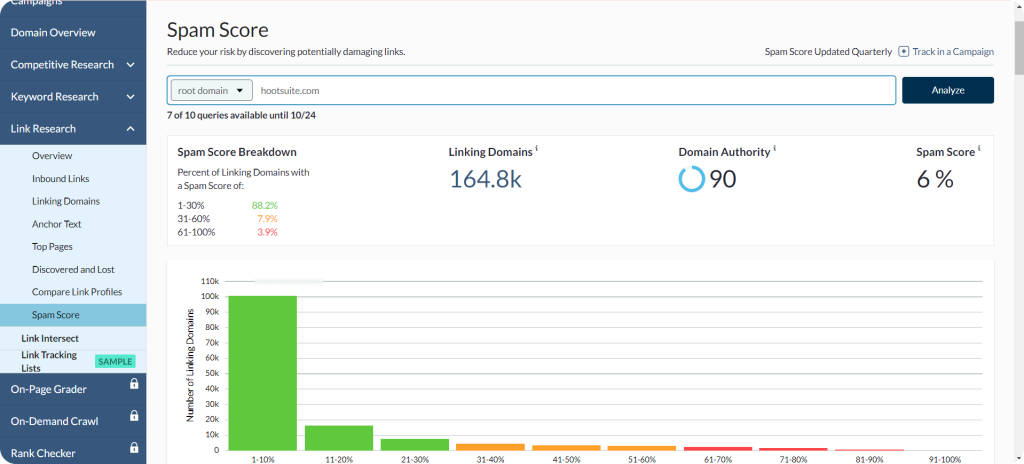
A list with 500,000 URLs sounds better than one with 50,000. In practice, a puffed up list complete of dead domains, oversubmitted platforms, and prohibited IPs slows GSA SER down, burns through your proxy threads quicker, and produces less verified links per hour than a smaller, tighter list would. The three things that actually determine a verified link list's quality in 2026 are: how recently each URL was verified as live and accepting submissions outgoing link count per domain.
Main Drivers from Using Validated Link Lists
A 100,000 URL list where every entry was verified this week, has OBL under 70, and covers the right engines will outshine a 2,000,000 URL static dump every time. A page that connects to 200 other websites passes roughly 1/200th of its readily available PageRank to each of them. A page connecting to 12 websites passes 1/12th.
Generic confirmed link notes the kind you download once from a forum or marketplace as a ZIP archive, a.SL file, or a raw text dump start dying the minute the export is produced. SL, or.txt file frozen in time at the minute of export No ongoing freshness updates or dead-URL removal No PA/DA filtering every domain is dealt with the exact same regardless of authority No OBL filtering you get high-OBL link farms blended in with clean low-OBL targets No engine-coverage updates when platforms patch their submission forms No anti-spam pruning when a platform gets burned by everyone running the very same dump And here's what happens to that list over the following months: Websites go down, redirect, or change their CMS without notification Platforms that were accepting submissions get hammered by every GSA SER user who purchased the same dump, causing IP bans and form lockouts Domain owners update their spam filters or switch to newer captcha systems that old config files can't manage Verified links on stale domains ultimately drop from Google's index entirely Normal URL survival rate for a generic downloaded link list.
Within weeks you're not running a validated link list anymore you're running a. GSA SER wastes proxy threads trying submissions to dead endpoints, your LPM tanks, your captcha solver burns through resolve credits on kinds that will never prosper, and your verified-to-submitted ratio the number that actually tells you if your campaign is healthy weakens week by week.
Why Does Deep Software Boost SEO ROI?
A lot of GSA SER users don't observe up until their LPM drops far adequate to end up being apparent. The other concealed cost is chance. While your proxies are stuck retrying dead targets, they're not sending to live ones. Every dead URL in your list is a slot that could have been a live confirmed link.
In 2026 the math has actually shifted hard versus it. Modern anti-bot facilities is built particularly to defeat the kind of low-cost rotating-proxy setups GSA users utilized to lean on.
Billed per inquiry. You'll burn hundreds of thousands of queries to construct a significant target swimming pool.
different machine running form-detection and OBL/PA-DA filtering against every harvested URL before it's safe to feed into a publishing task. the freshly-built list starts decaying the exact same day it's ended up. You're now running the verifier continuously, which indicates the expenses above are repeating, not one-time. lands in the thousands of dollars vary API calls + confirmation VPS time + A-Parser licensing + dead-URL pruning calculate.