Comparing Manual Versus Programmatic Link Building

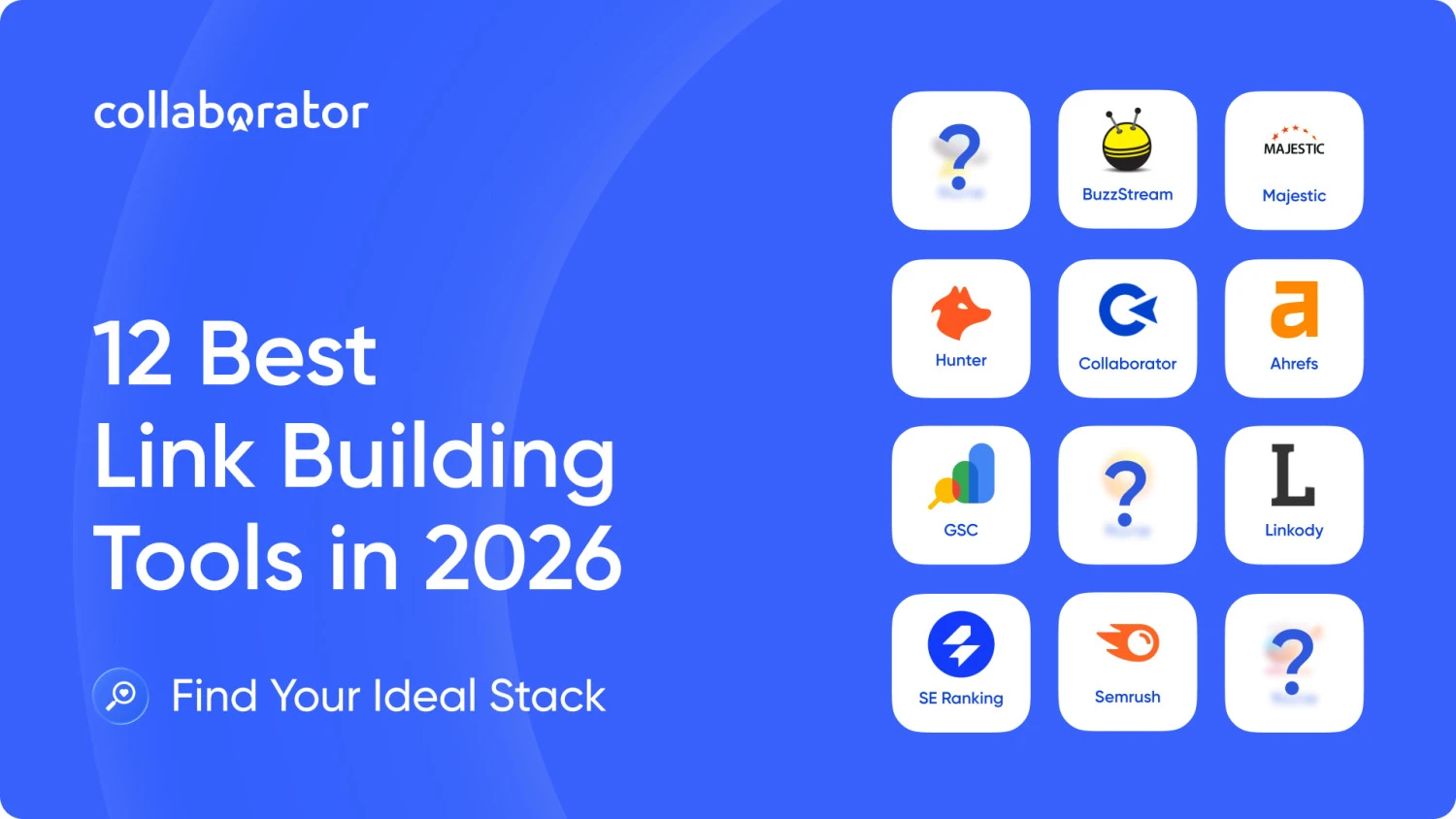
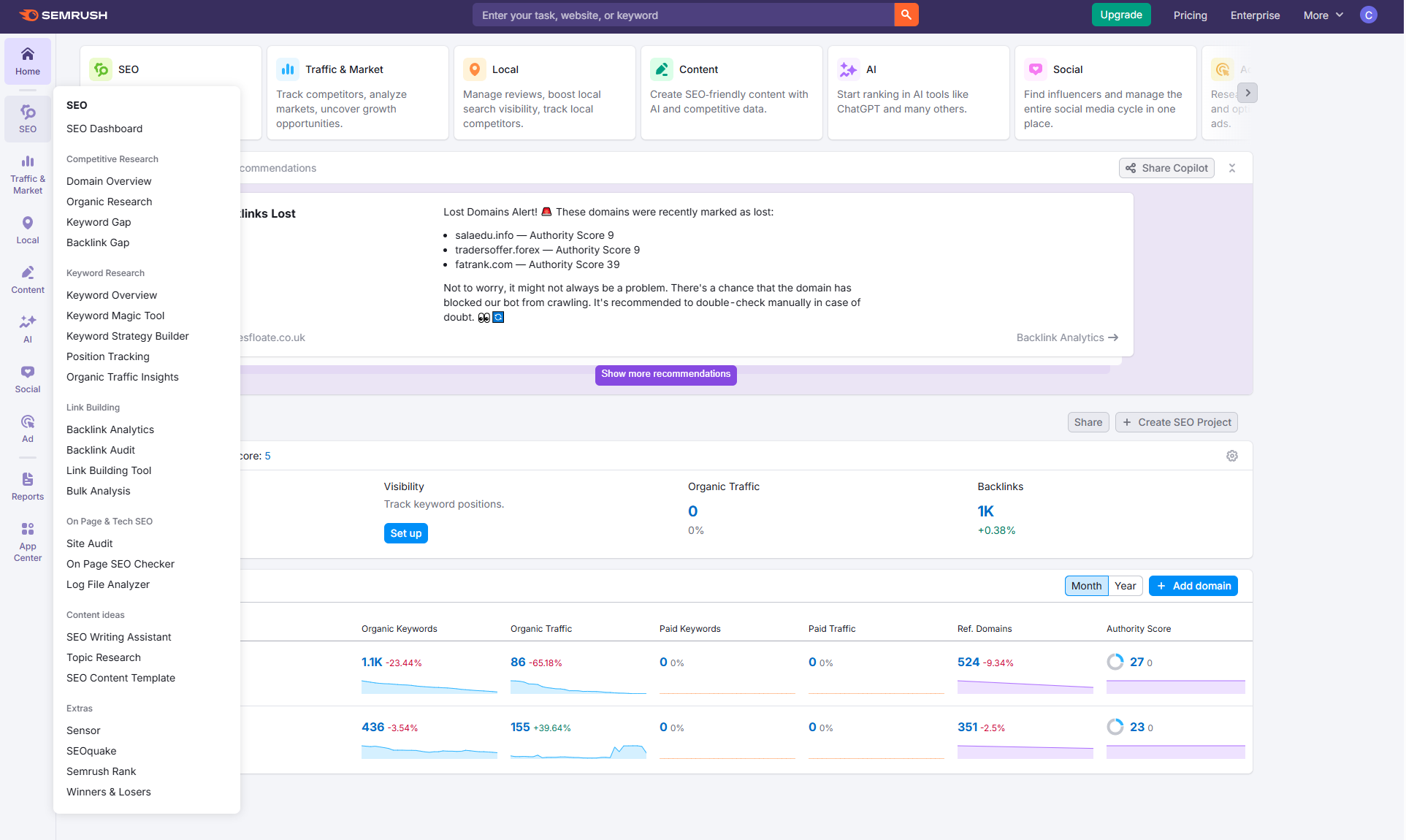
The real power lies not in finding a magic bullet, however in strategically assembling a tech stack that multiplies your efforts and maximizes your time for what really matters: building genuine relationships and creating high-value content. The tools we have actually covered, from all-in-one powerhouses like Ahrefs and Semrush to specialized outreach platforms like Pitchbox and Respona, all objective to fix an important piece of the link structure puzzle.
The journey to an advanced link structure engine is a procedure of layering automation. For lots of SaaS start-ups and new products, the initial challenge is simply getting on the map. This is where fundamental link building is non-negotiable. Directory and platform submissions are an important initial step, however they are likewise time-consuming and recurring.
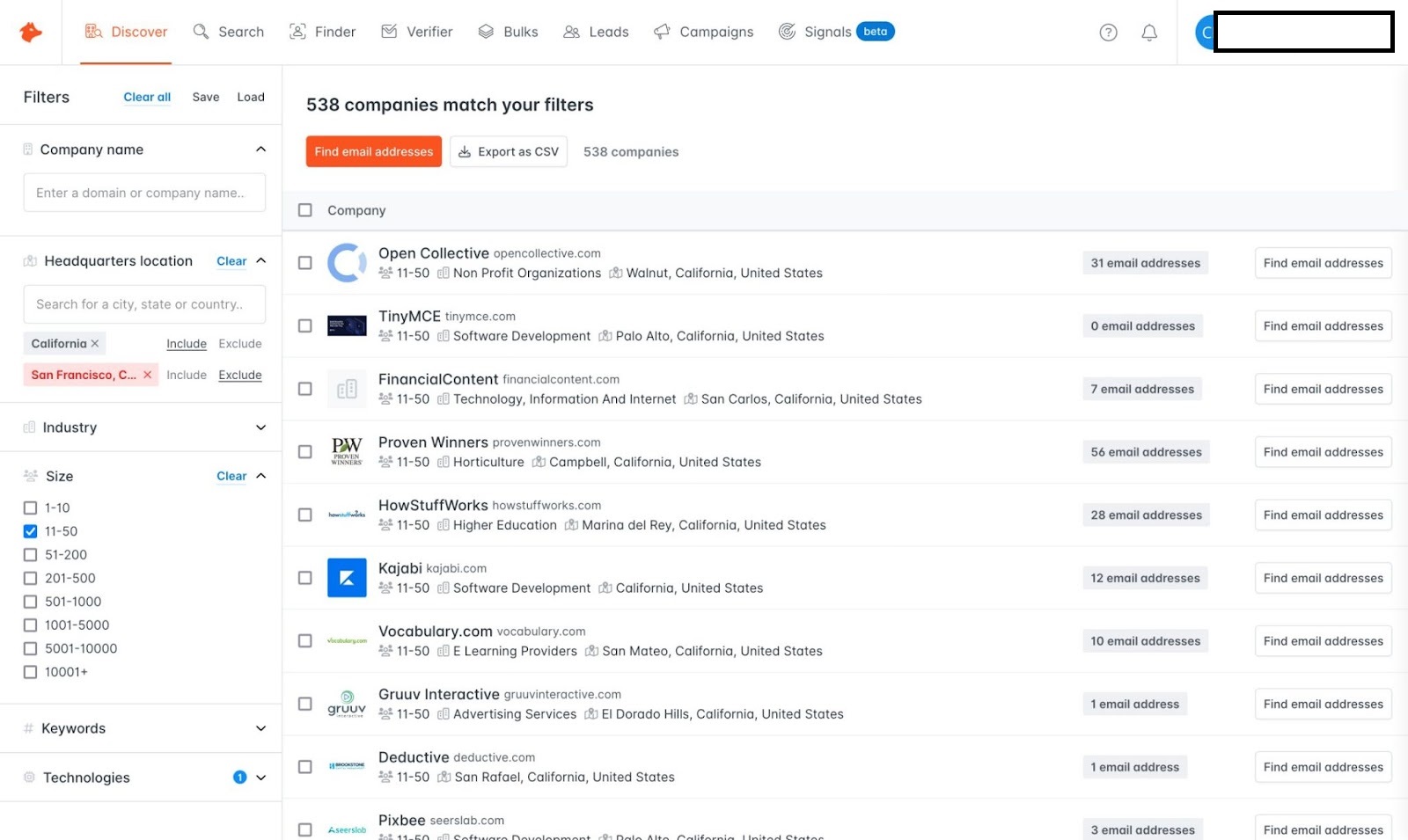
When you have a standard of exposure, you can utilize tools like Hunter or to discover contact details at scale, feeding that information into outreach systems like Mailshake or Postaga to automate your email series for guest posting, broken link structure, or resource page positionings. The objective is to create a workflow where automation deals with the 90% of a job that is repeated, leaving you to concentrate on the 10% that needs human imagination and customization.
Assess the ROI in terms of hours saved and potential links acquired. How well do your chosen tools work together? A seamless flow of information from your research tool to your CRM and then to your outreach platform is vital for real automation.
They deal with the prospecting, the follow-ups, and the information management, enabling you to invest your most important resource, your time, into crafting compelling pitches and fostering connections that lead to high-authority backlinks. Pick sensibly, start little, and develop a system that turns the tough task of link building into a predictable growth engine for your company.
Utilizing Verified Target Data for Rapid Success
Google's anti-spam systems don't really care about your workflows and their "efficiency". What they care about is generally those utilized. To circumvent that, the most safe mental design is: Automation is fantastic at moving information around, however it's horrible at making trust. And link structure genuine link building is primarily about trust and importance.
GSA SER blacklist filterFinding emails. Where automation may stop working is the step where a third celebration should make a choice: "Yes, I'll cite you".
So when individuals say "automated link structure," it assists to split it into 2 kinds. is the safe one. It includes scraping, scoring, routing, follow-up series, QA, alerts, and reporting. is, on the contrary, the risky one. It comprises auto-posting to networks, automated link exchanges, automated paid placements, and mass guest-post pipelines.
No, they're the ones that. When you do automation right, your team invests less time on sorting and chasing. Instead, they can focus on 2 things that in fact acquire links: discovering a genuine fit and making a trustworthy contribution. Automation shines at the phase when you're producing the top of the funnel.
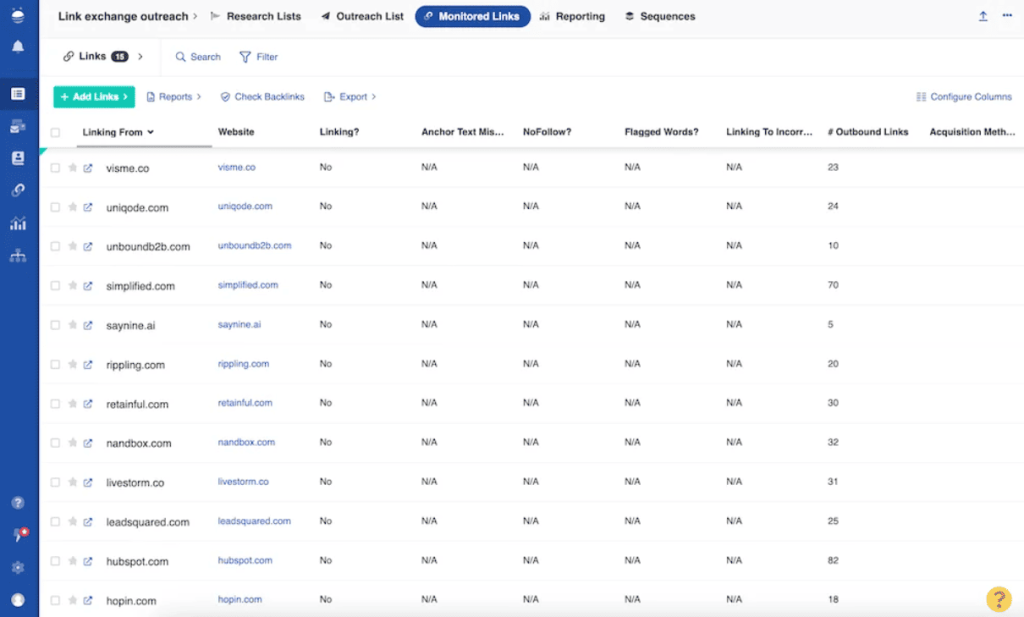
For a human, that bulk of manual labor would take weeks. Here's a prospecting scorecard you can utilize as a gate before anything reaches outreach. Topical match Is this site/page really about your subject or nearby entities? Clear classification overlap, appropriate sections/authors Indexation & presence Does this website appear to have a genuine natural existence? Indexed pages, stable publishing flow, non-zero presence Outbound link patterns Does it look like a link farm or "write for us" mill? Reasonable outbound links, not certainly commercial-heavy Content quality Would a genuine person cite this as a source? Editorial structure, uniqueness, clear worth for audience Contactability Can you reach somebody who can state "yes"? Editor page, bylines, standards, LinkedIn, genuine contact information Let automation do the rough scoring, and reserve human judgment for the top band.
Proven Tips for Maintaining High-Quality Engine Lists
Most outreach fails for one boring reason: individuals pitch the incorrect thing to the incorrect page type. You can enhance contacts (function, beat, section owner), pull the last 35 posts, identify whether a page is an editorial blog site post or a curated list, and after that path prospects into the best project track.
A pitch makes sense where attention currently exists: unlinked discusses, dead links, or out-of-date referrals. People anticipate too much from AI in outreach and too little from solid mechanics.
Human beings then take that raw input to arrange it as a narrative covering why the pattern matters, what it implies, and how a reader must react. This matters more now because Google has honestly punished massive material the more so if the content's been determined to video game rankings, not to assist users.
Expert Practices for High-Velocity Link Growth
If you're generating pages primarily to have surfaces to point links at, you're off course. In our experience, for many sites, it's internal connecting, not external link acquisition, that represents a bigger portion of link-building effects. Google finds pages, understands which of them are essential, and recognizes hierarchy in between subjects a lot more quickly when assisted through internal links.
(Google for Developers) Internal connecting is totally automatable. The great thing is that it's nearly difficult to cross into risky practices. What you can automate: identifying orphan pages linking brand-new content back to core centers recognizing damaged or dead internal links flagging pages that aren't well-linked internally providing anchor text options based on intent clusters Automated link building might in some cases feel questionable.
It typically is simply fixing reality: you were mentioned however not linked a link broke because a URL altered a page 404 'd after a migration a site refreshed a short article however dropped the initial citation Thanks to automation, you get the alert precisely the moment it occurs. What you can do now is actioning in with a low-friction message to the publisher.
The Future of High DA Link Technology in 2026
The enjoyable part here is that a backlink is a by-product when you keep info precise and citations undamaged. In this area, let's see how automation ends up being harmful (since it lures you to utilize it as "simply a tool"). For Google, results and patterns matter, it's unaware of your intent.
In Google's spam policies, you'll find behaviors that can cause pages or websites to rank lower or acquire absolutely no presence. Connect spam comes from that universe, too. Paying for links itself isn't the offense; it only becomes a problem when paid links covertly influence rankings. Google lays out clear directions on certifying outbound links using rel attributes like sponsored and ugc.
We broke the flow into five easy-to-follow pieces. Not every page can earn links naturally. Cash pages often earn links badly. You can still provide indirect assistance utilizing hub pages, research study, tools, contrasts, and guides. This is the method to make your method cleaner since you're not jamming editorial links into business URLs (this always feels unnatural).